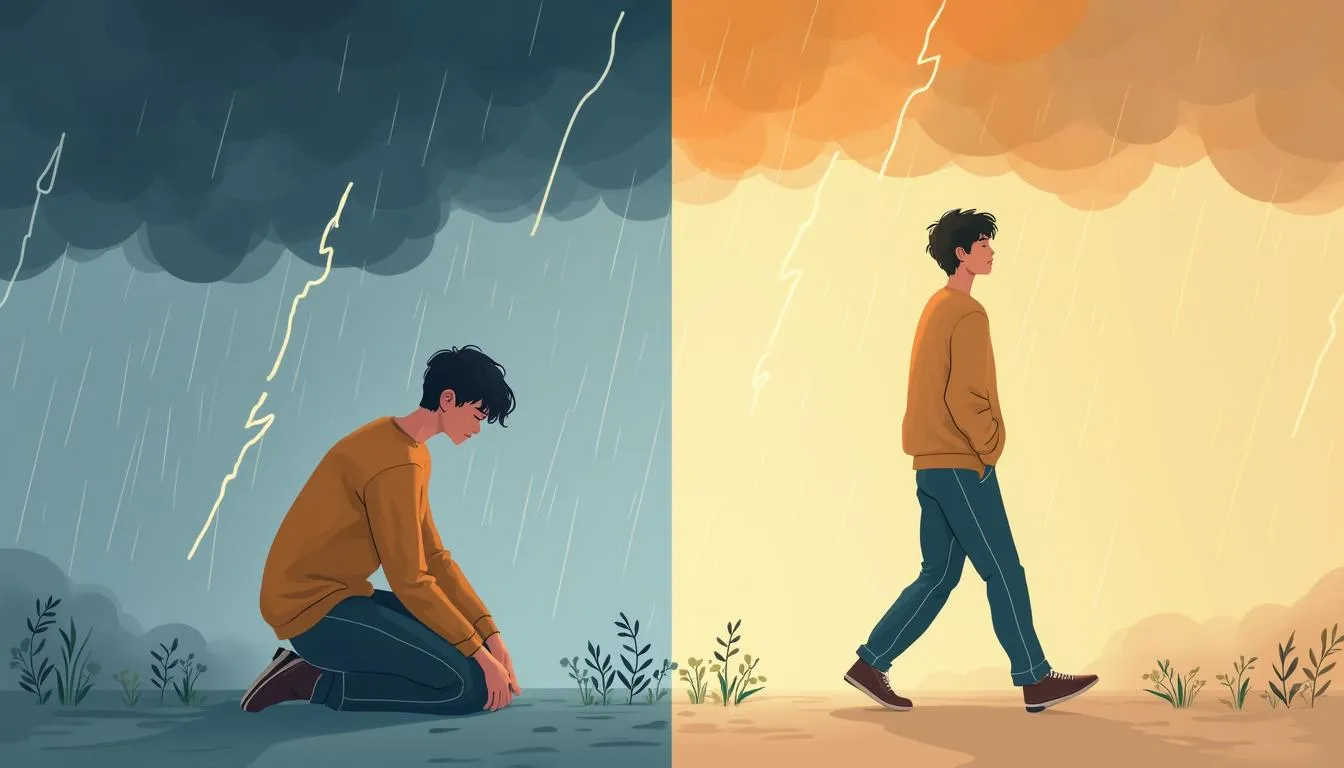



Understanding Anxiety – A Comprehensive Guide
Anxiety is a common experience that affects many people worldwide. It can manifest in various forms, from mild unease to severe panic. Understanding anxiety is crucial for managing its impact on daily life.
This guide, created for readers exploring Anxiety – Resplora insights, aims to provide a comprehensive overview of anxiety and its treatment options. We will explore different types of anxiety disorders and their symptoms.
Additionally, we will discuss the causes and risk factors associated with anxiety. Treatment options available in Australia, including therapy and medication, will be covered. If you’re searching for information on “anxiety treatment australia”—including paths like “anxiety treatment melbourne,” “anxiety treatment perth,” or “anxiety therapy sydney”—you’ll find an overview here.
By the end of this guide, you will have a clearer understanding of anxiety and how to seek help.
What Is Anxiety?
Anxiety is a natural emotional response to stress or perceived threats. Everyone feels anxious occasionally, but for some, it becomes overwhelming. It’s important to differentiate between normal stress and anxiety disorders. Anxiety disorders occur when worry becomes persistent and interferes with daily activities.
There are several key characteristics of anxiety. These include excessive worry, fear, and apprehension. Physical symptoms often accompany emotional ones. These can range from rapid heartbeat to sweating or even dizziness.
Anxiety can affect anyone, regardless of age or background. It’s a widespread mental health concern globally. Understanding its core aspects can help in managing its effects.
Common elements of anxiety include:
Persistent worrying
Fatigue or irritability
Difficulty concentrating
Understanding anxiety is the first step towards effective management. Recognizing these signs helps in addressing the issue promptly. With the right support, those affected can lead fulfilling lives.
Common Types of Anxiety Disorders
Anxiety disorders are diverse, each with its characteristics. Understanding these disorders can guide effective treatment and support.
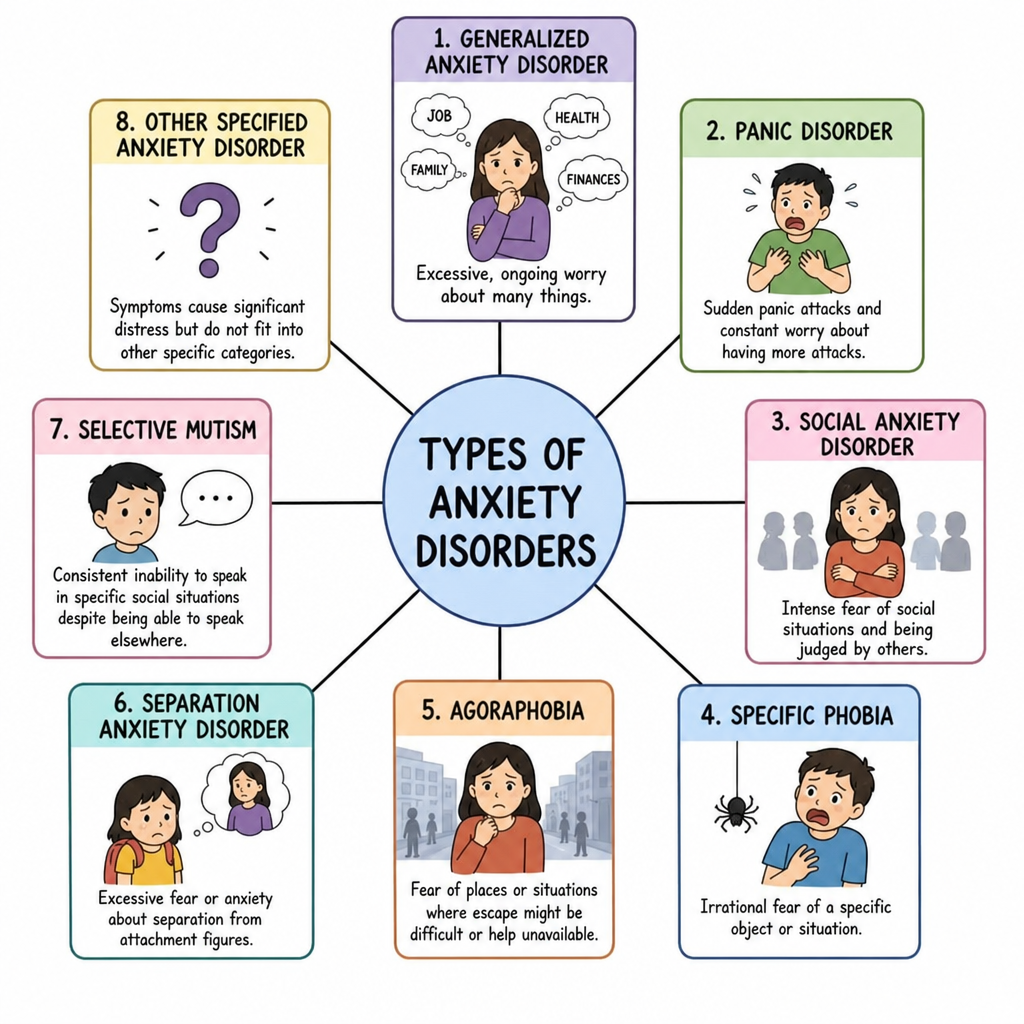
One prevalent type is Generalized Anxiety Disorder (GAD). Individuals with GAD experience persistent and excessive worry about various aspects of life. This can impact daily functioning.
Panic Disorder is another form, characterized by unexpected panic attacks. These attacks trigger sudden and intense feelings of fear or dread. Physical symptoms can include chest pain and shortness of breath.
Social Anxiety Disorder involves an intense fear of social situations. Individuals with this disorder may avoid interaction to prevent embarrassment. These fears can severely limit social and professional interactions.
Phobias are another common type, causing severe fear of specific objects or situations. Common phobias include fear of heights, spiders, or flying. The fear often feels overwhelming and irrational.
Types of anxiety disorders include:
Generalized Anxiety Disorder (GAD)
Panic Disorder
Social Anxiety Disorder
Specific Phobias
Understanding these types helps in recognizing symptoms and seeking appropriate treatment.
Signs and Symptoms of Anxiety
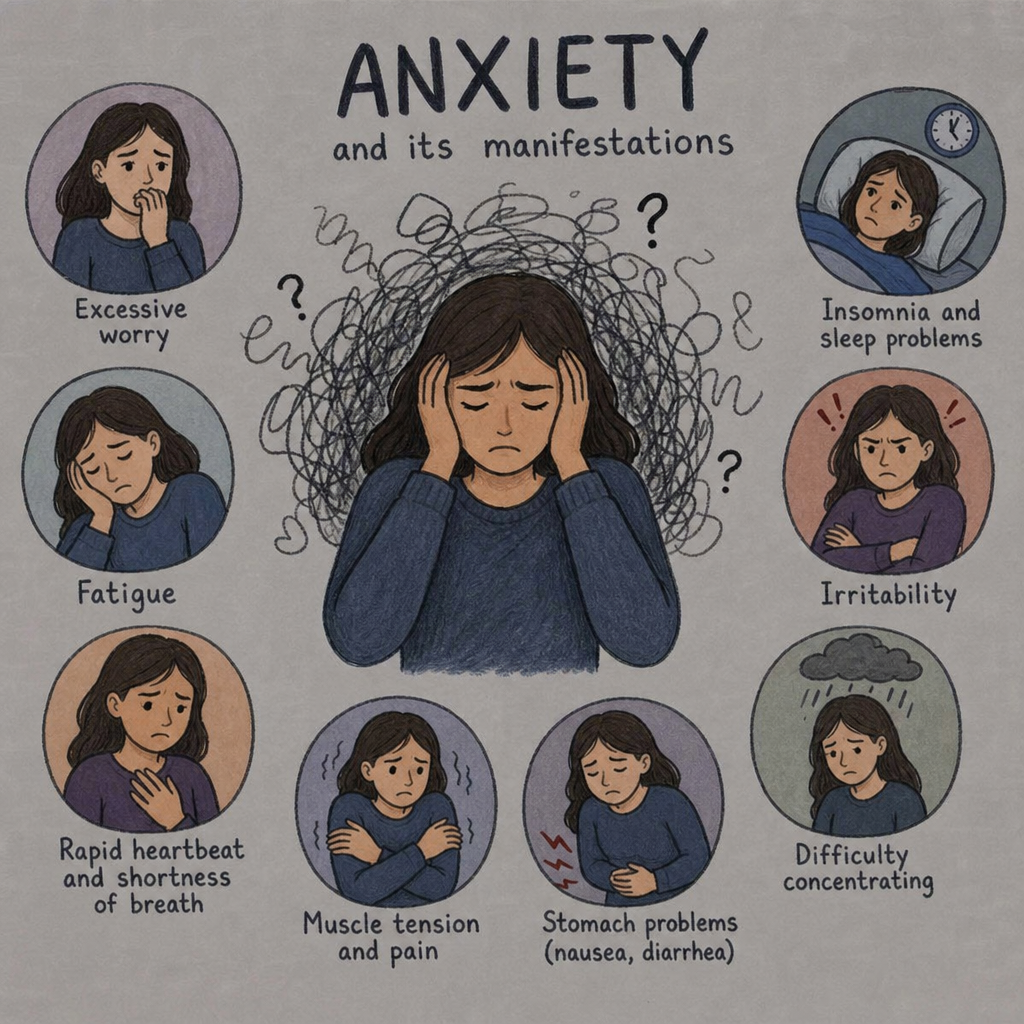
Recognizing the signs of anxiety is crucial for early intervention. Anxiety can manifest in various physical and emotional symptoms.
Physical symptoms often include increased heart rate and sweating. Some experience trembling or a sense of dizziness. These symptoms can occur without an obvious cause.
Emotionally, anxiety can result in feelings of restlessness. It may also lead to an overwhelming sense of dread. Individuals might find difficulty in concentrating or controlling worry.
Behavioral symptoms might involve avoiding certain situations or tasks. This avoidance can disrupt daily routines. It can also lead to missed opportunities and strained relationships.
Common signs and symptoms:
Rapid heartbeat
Restlessness
Persistent worry
Avoidance behaviors
Difficulty concentrating
Understanding these signs can motivate individuals to seek help. Early recognition and intervention are vital for managing anxiety effectively.

by Oxana Melis (https://unsplash.com/@oksdesign)
Causes and Risk Factors
Anxiety disorders arise from a mix of various factors. Genetic predisposition plays a significant role. If anxiety runs in your family, you might be at higher risk.
Environmental factors contribute significantly. Stressful events, like job loss or trauma, can trigger anxiety. A chaotic or unstable environment can exacerbate symptoms.
Personality traits like perfectionism can increase vulnerability. People who overthink or are sensitive to criticism are more prone. These traits can amplify daily stress.
Biological factors also come into play. Imbalances in brain chemicals can lead to anxiety. These neurotransmitters influence mood and emotional responses.
Common causes and risk factors include:
Family history of anxiety
Stressful life events
Perfectionist tendencies
Brain chemistry imbalances
Acknowledging these causes and risk factors helps in managing anxiety. Understanding why anxiety occurs can guide effective treatment options.
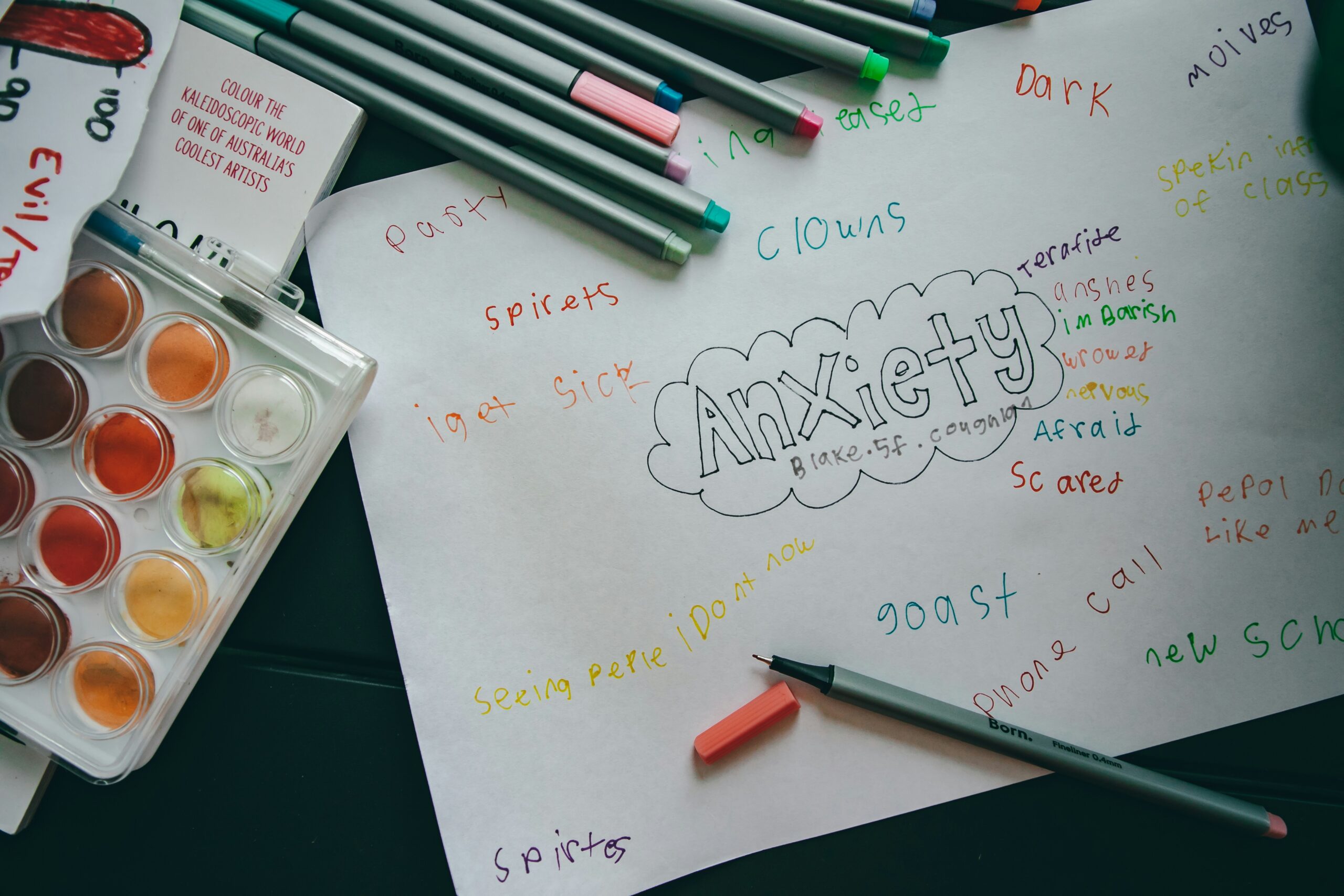
by Anima Visual (https://unsplash.com/@animavisual)
Anxiety Treatment in Australia
Australia offers a variety of treatment options for anxiety. Both traditional and innovative methods are available. It’s crucial to find the right fit for individual needs. Readers often search for “anxiety treatment australia” to compare pathways such as “anxiety treatment melbourne,” “anxiety treatment perth,” and “anxiety therapy sydney”; the following sections summarise these choices.
Cognitive Behavioural Therapy (CBT) remains a popular choice. This therapy aims to reshape negative thinking patterns. It’s effective in reducing anxiety symptoms over time.
Medications are another common approach. Anti-anxiety medications in Australia include benzodiazepines and SSRIs. These can help manage intense symptoms.
Australia also embraces holistic approaches. Mindfulness and meditation practices are gaining traction. These methods focus on calming the mind and body naturally.
Supporting resources are available throughout the country. Many organizations offer online support and educational resources. This provides easier access to those in need.
Common anxiety treatment options in Australia include:
Cognitive Behavioural Therapy (CBT)
Anti-anxiety medications (benzodiazepines, SSRIs)
Mindfulness and meditation practices
Online support programs
Seeking treatment can make a significant difference. With the right support, managing anxiety effectively becomes possible.

by Moments For Life Photography (https://unsplash.com/@mflphotography)
Anxiety Treatment in Melbourne, Perth, and Sydney
Each city in Australia offers unique treatment services. Melbourne, Perth, and Sydney have specialized centers. These cities provide diverse resources catering to various needs.
In Melbourne, anxiety therapy thrives on diversity. If you’re considering anxiety treatment melbourne or anxiety therapy melbourne, therapists utilize holistic and conventional methods. This blend ensures comprehensive care for residents.
Perth emphasizes community support in anxiety treatment. For anxiety treatment perth, local resources help individuals find tailored support. Community clinics often offer accessible therapy options.
Sydney prides itself on innovative therapy techniques. Those exploring anxiety therapy sydney will find art and music therapy options increasingly popular. These creative therapies help explore emotions differently.
Key highlights of anxiety treatment in these cities include:
Melbourne: Holistic and conventional therapy mix
Perth: Strong community support focus
Sydney: Innovative therapy techniques
Exploring options in these locations helps in finding suitable care. Each city caters to varied needs, providing a spectrum of choices.
Anxiety Therapy Options
Anxiety therapy offers numerous paths to healing. Exploring different therapies can help find what works best. Tailored approaches cater to individual preferences and needs.
Cognitive Behavioural Therapy (CBT) tops the list. It involves structured sessions focusing on thought patterns. CBT is known for its effectiveness in reducing anxiety.
Psychodynamic therapy delves into deeper emotions. This method uncovers underlying feelings affecting thoughts. It provides insight into personal experiences and anxiety triggers.
Exposure therapy helps confront specific fears. Gradual exposure reduces fear responses over time. It’s particularly useful for phobias and panic disorders.
Other therapies enhance mental well-being. Mindfulness-based cognitive therapy combines mindfulness practices with CBT. It’s effective for reducing anxiety and preventing relapse.
Some popular anxiety therapy options include:
Cognitive Behavioural Therapy (CBT)
Psychodynamic therapy
Exposure therapy
Mindfulness-based cognitive therapy
Exploring these options can lead to positive change. The right therapy fosters personal growth and anxiety management.

by AllGo – An App For Plus Size People (https://unsplash.com/@canweallgo)
Anxiety Medication in Australia
Medications play a key role in anxiety management. They provide relief for many experiencing severe symptoms. In Australia, doctors carefully consider prescriptions. In practice, people researching “anxiety medication australia” or “anti anxiety medications australia” will encounter clear prescribing guidelines and pharmacist support.
Two main categories of medications exist. Anti-anxiety medications and antidepressants are commonly used. Both types can effectively treat anxiety-related conditions.
Benzodiazepines, like diazepam, quickly reduce anxiety. However, they are usually for short-term use. Prolonged usage may lead to dependence.
Selective serotonin reuptake inhibitors (SSRIs) are another option. They take time but offer long-term benefits. SSRIs balance brain chemicals to ease anxiety.
In Australia, common anxiety medications include:
Benzodiazepines (e.g., diazepam)
SSRIs (e.g., fluoxetine)
Serotonin-norepinephrine reuptake inhibitors (SNRIs)
Consulting healthcare professionals is crucial. They tailor treatments based on individual needs and health history. Personalized plans ensure safe and effective anxiety management.
by Testeur de CBD (https://unsplash.com/@testeurdecbd)
Lifestyle Changes and Self-Help Strategies
Implementing lifestyle changes can significantly impact anxiety levels. Small daily habits often bring substantial benefits. Focus on creating a healthy, balanced routine.
Physical activity has immense mental health benefits. Regular exercise helps release tension. Even short walks can improve mood and reduce anxiety.
Mindfulness practices like meditation also prove helpful. They encourage awareness and stress reduction. Engaging in deep breathing exercises can also be calming.
Consider these self-help strategies:
Practice mindfulness and meditation
Establish a regular exercise routine
Get enough sleep
Limit caffeine and alcohol intake
Support networks are equally vital. Connecting with friends or joining groups enhances well-being. Talking to loved ones about feelings encourages emotional release.

by Margo Evardson (https://unsplash.com/@stadinstudio)
How to Seek Help and What to Expect
Reaching out for help is a courageous step. Start by consulting a general practitioner. They can provide initial guidance and referrals to specialists.
Therapists and counselors specialize in treating anxiety. These professionals offer tailored support. Understanding their different approaches helps in choosing the right one.
Expect thorough evaluations during first visits. A detailed history aids diagnosis and treatment planning. Prepare for open, honest discussions about symptoms and lifestyle.
Remember these important points:
Consult with a general practitioner
Explore therapy and counseling options
Be open about symptoms and needs
Ultimately, seeking help opens doors to recovery. It provides support from professionals who understand. Taking action brings hope and clarity.
Conclusion: Moving Forward with Confidence
Anxiety can feel overwhelming, but understanding it is the first step to overcoming its challenges. By learning about anxiety and exploring treatment options, you equip yourself with powerful tools for recovery.
Embracing therapy, medication, or lifestyle changes fosters a path toward well-being. With support and determination, moving forward becomes a positive journey. Remember, confidence grows as you take control of your mental health.